Choosing an airgun is not about finding the most powerful option. I have seen many beginners start with the wrong airgun. It is about finding an airgun that makes steady practice easy. New shooters benefit from an airgun that handles predictably, fits well, has simple controls and offers enough power for target work without extra noise or complexity. The right airgun also depends on where you will shoot, how much maintenance you want and whether a rifle or pistol is best for practice. This buyers' note compares the beginner-friendly airgun options and points out mistakes that can turn a simple hobby into frustration.
Start with the shooting you actually plan to do
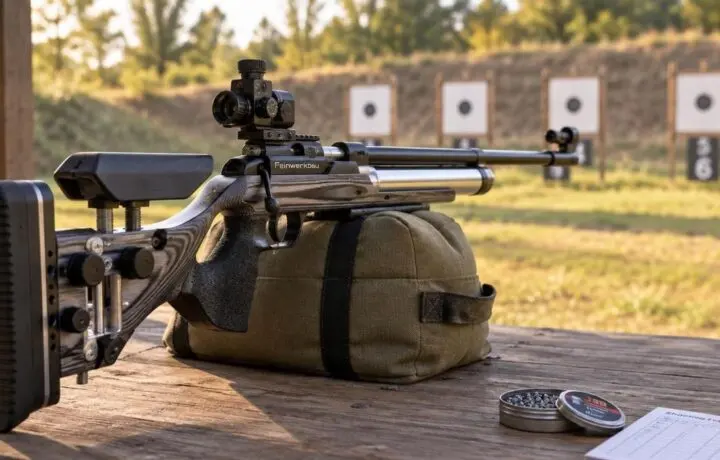
A rifle is usually the starting point for deliberate target shooting because its longer stock gives the airgun more contact points and a steadier aiming position. That stability can make it easier to learn sight alignment, trigger control and follow-through. A beginner air rifle also tends to be more forgiving when the shooter is still developing a stance.
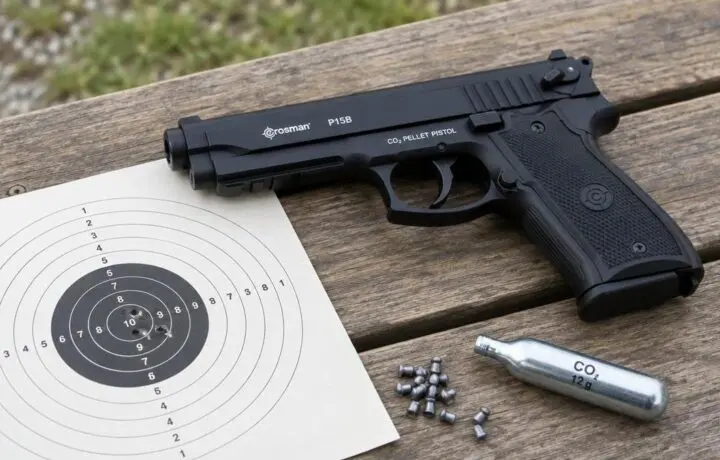
A pellet pistol makes sense when compact handling and short practice sessions matter most. Beginner pellet pistols can be enjoyable for target work, but their shorter sight radius and smaller grip area often demand better control from the shooter. A pellet pistol is not automatically simpler just because it is smaller.
Think about the space as well as the type of target. Indoor use may favour a quieter, lower-energy airgun setup where permitted, while outdoor shooting requires a suitable backstop and enough room to set up a controlled firing area. Check local rules before buying or shooting, since restrictions can vary by location and may apply even to equipment marketed for recreation.
Spring-powered rifles: self-contained practice
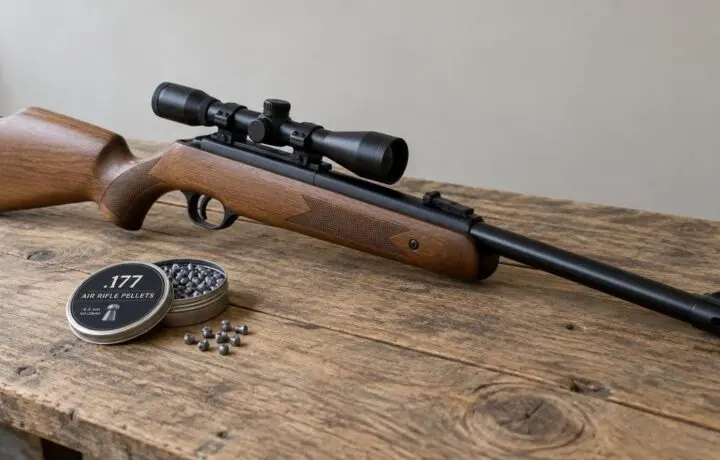
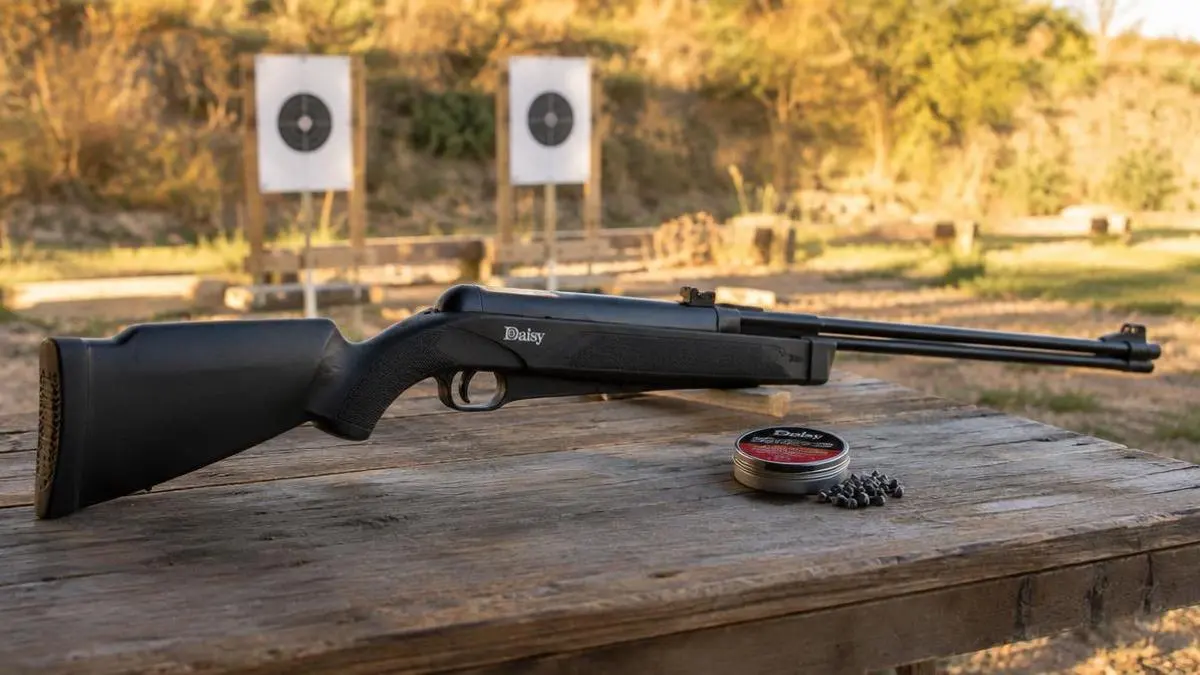
Spring-powered pellet guns are popular with beginners because they do not need a gas cartridge or a charging routine. Cocking the action gives the airgun the energy for the shot, and the basic operating cycle is easy to understand. That self-contained design can suit an airgun user who wants equipment that is ready without extra power supplies.
The trade-off is handling. Cocking effort, balance and the movement created by the firing cycle vary between spring-powered rifle models, and a new airgun shooter may find a spring-powered rifle less forgiving than expected. A firm but comfortable grip, a stock that fits the airgun shooter and a trigger that can be operated without disturbing the sights matter more than power claims.
These spring-powered rifles also reward technique. Resting the airgun differently from shot to shot, gripping it tightly or changing shoulder pressure can affect where pellets land. That is not a defect; it is a reason to learn a hold and begin with modest, controlled target work. Avoid attempting to increase power through modifications. Alterations can make an airgun unsafe, unreliable or unsuitable for its instructions.
CO2 options: convenient, but not maintenance-free
CO2 pellet guns can be attractive for beginners who prefer a cocking process and a shooting cycle that feels more familiar from shot to shot. They are available in both rifle and pistol formats, making them useful for target sessions where quick set-up and easy handling are priorities.
Their convenience comes with conditions. CO2 systems depend on cartridges, and performance can be affected by storage, temperature, sealing surfaces and how the airgun is used. An airgun shooter should follow the manufacturer's instructions for cartridge installation, lubrication, storage and removal. Leaving components under pressure or handling seals carelessly can create leaks and unnecessary wear.
CO2 pistols can also encourage a beginner's mistake: choosing a realistic-looking or feature-heavy design before considering whether it is comfortable and stable for target practice. Controls that are difficult to reach, a grip that does not suit the airgun shooter's hand or a heavy frame can make short sessions tiring. Simple, consistent operation is usually the starting point.
Fit, controls and maintenance matter more than headline power
Before choosing between airgun models, check whether the stock or grip allows a natural shooting position. You should be able to reach the trigger without twisting your hand, see the sights without straining and operate the safety as described in the manual. If the airgun feels awkward while unloaded, it is unlikely to become comfortable after repeated practice.
Look for loading instructions and controls that can be identified by touch without guessing. A beginner airgun shooter should not have to force a lever, improvise a loading method or wonder whether the chamber is clear. If a manual is missing, unclear or inconsistent with the airgun, choose another option rather than relying on informal advice.
Maintenance should be routine, not mysterious. Clean the bore and exterior following the manufacturer's guidance. Inspect seals and fasteners. Store pellets dry. Keep the airgun unloaded when it is not in use. Do not use oils or cleaning products unless advised; some substances can damage seals or create a dangerous reaction in equipment designed for compressed air or gas.
A sensible first set-up often includes:
– Eye protection, suitable pellets, a stable target and a backstop designed to stop the projectile
– A secure storage method that prevents access
– Any manufacturer-approved maintenance supplies
Safety habits should shape the purchase
Airgun safety is not an accessory to buying decisions. Before the shot, identify what lies behind the target and to the sides of it. Never rely on a paper target, a wall, a fence or vegetation to stop a pellet. Do not shoot at surfaces that may cause ricochets. Stop immediately if people, pets or an unexpected hazard enter the range area.
Treat every airgun as loaded until you have personally confirmed otherwise. Keep the muzzle pointed in a safe direction. Keep your finger outside the trigger guard until you are ready to fire. Wear eye protection during shooting. When dealing with a loading or equipment problem, follow the manufacturer's loading, cocking, safety and unloading instructions rather than copying a technique from a different design.
New owners sometimes buy too much power, too many accessories or a pistol before they have a suitable place to shoot. Others ignore fit and targets, or assume that a low-cost airgun needs no maintenance. The better approach is to match the equipment to your space and practice goals. Learn its operating cycle slowly. Verify local requirements before use. A manageable airgun, a suitable range and consistent habits will teach more than a complicated set-up chosen for its specifications alone.