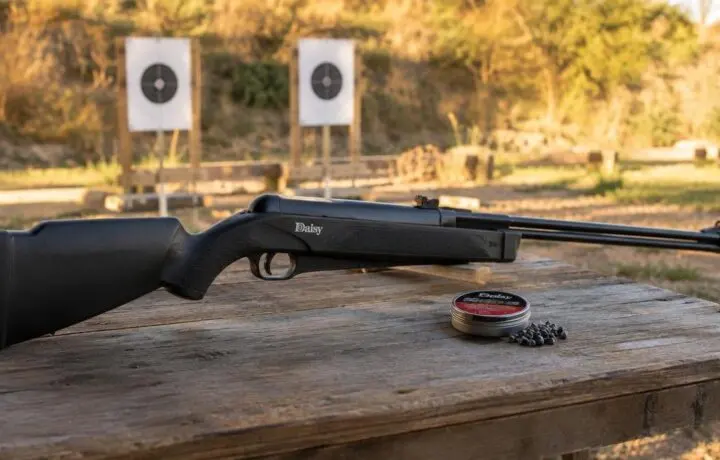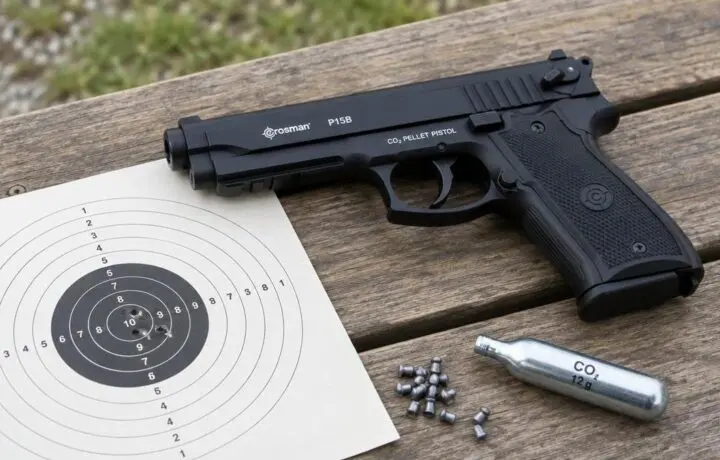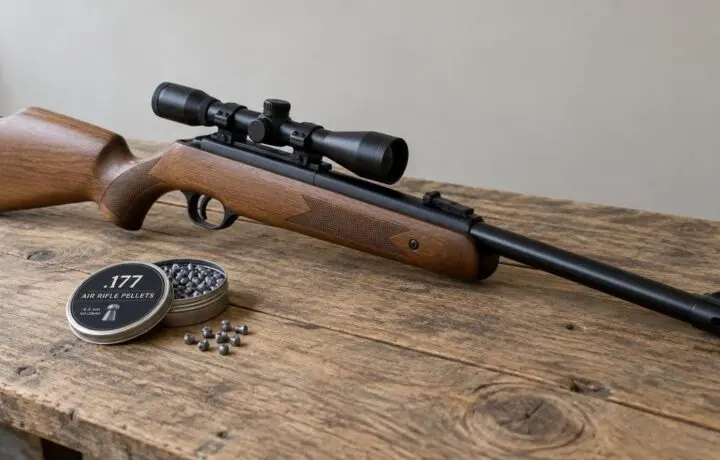
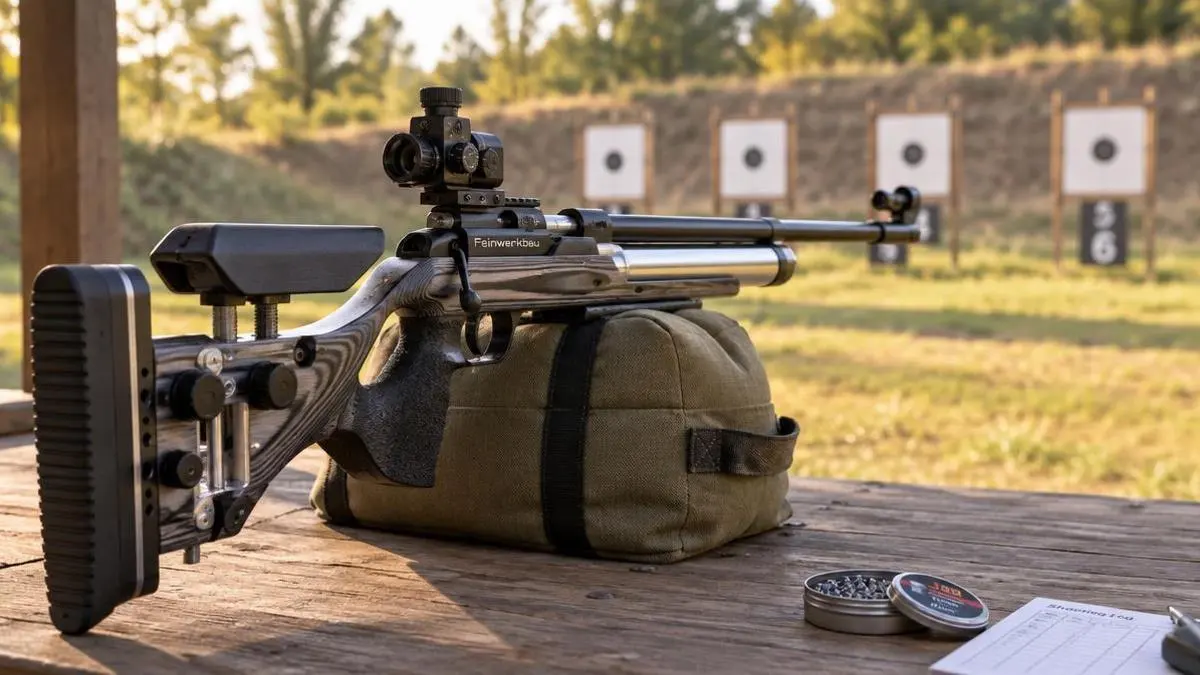
Target work is unforgiving. A rifle can look ideal on a specification sheet and still be frustrating when its groups wander. Balance, trigger feel, sights and a stock that fits the shooter usually matter more here than raw power. In other words, a useful target rifle is one that can be controlled and behaves the same way from session to session. The checks below help narrow the choice and flag maintenance symptoms worth taking seriously.
Start with the kind of target practice you actually do
Shooting paper on a range is not quite the same job as casual outdoor plinking. A quiet rifle that is easy to cock can be good for a beginner who wants to practice stance and trigger control. A heavier rifle may feel steadier when you shoot from a bench. There is no automatic winner between the two. What matters is whether the weight, cocking effort and sight arrangement suit the sort of practice you actually do.
Spring-powered rifles have a simple set-up, but the way they fire can demand more focus on how you hold and follow the shot. Pneumatic rifles usually need a pump, a bottle or other equipment to charge them. A rifle that needs equipment may be less convenient even if its shots look good. Read the manufacturer's instructions before deciding whether the charging method works well and is safe in your area.
Pellet choice matters as well as calibre. Two pellets marked with the same calibre can behave quite differently in the same barrel. The shape, how well it fits and its quality can change how the groups look. Start with the ammunition the manufacturer recommends and change one factor at a time when you test accuracy.
Accuracy begins with a shooting position
Even a very precise rifle cannot compensate for an inconsistent hold. What it can do is make sound technique easier to repeat. Look for a stock that lets your cheek stay in the same spot, a grip that does not bend your wrist into a strange angle and a fore-end that feels steady on a rest or when you hold it by hand.
Balance is one of those things a data sheet cannot really convey. A heavy rifle may sit still on a bench. It can be tiring after a long session. A light rifle is easier to carry. It can react to small movements. If you can safely hold the rifle, see whether you can reach the controls without moving your hand too much.
The sights should fit the target you use. Open sights help you line up and keep the set-up simple. A sight with a ring or a small scope can give a clearer sight picture, but it needs more adjustment, mounting and care. Make sure the sight is fixed firmly and follow the manufacturer's instructions rather than trying to force adjustments.
The trigger should be predictable, not merely light
A consistent trigger lets a shooter pull back without guessing when it will release. Lightest is not necessarily best, though. A pull that feels fuzzy, snaps unexpectedly or changes noticeably from one shot to the next can make it hard to tell whether the problem is with the aim or with the rifle.
Pay attention to the point at which the pull changes resistance and to how the release feels. A clear, predictable trigger lets you pause safely and correct your aim if the sight picture goes bad. Only use the adjustments specified in the manual. If the trigger becomes very loose, does not reset or releases without a pull, that is a fault, not a way to tune it. Stop using the rifle and ask for a repair or the manufacturer's help.
Simple checks when groups begin to spread
Groups rarely spread for no reason, and a sudden change deserves attention. Before you change the sights or blame the rifle, check the basics with the rifle empty and safe, as the manual says:
- Check that the stock screws, sight mounts and other visible fasteners are tight but not too tight.
- Look at the barrel opening and loading area for dirt, damage or anything blocking it; never fire a pellet to clear a blockage.
- Make sure the pellets are not damaged and sit correctly. Keep the type of ammunition the same when comparing results.
- Notice any changes in how hard it is to cock, any odd vibration, a new sound, an air leak or a trigger feel that is different.
- Re-check the rest and how you hold the rifle.
Sometimes the rifle is fine: a hard rest, a shifted hand or a different cheek position can move a group.
Wandering groups, pellets that fly to the side or a sudden change in sound need attention. A rifle that loses pressure quickly shows damage. A rifle that feels rough when you load it also needs attention.
Do not open the system, swap parts or change power settings if you do not have the technical knowledge or an approved method.
The manufacturer's instructions matter more than advice from forums.
Maintenance that preserves repeatability
Routine care is mostly about catching small changes before they become accuracy problems. Store the rifle securely. Keep it away from impacts. Use the lubrication products and service intervals that the manufacturer recommends; using the wrong oil or too much lubricant can damage seals or create a safety hazard in some airgun systems.
Wipe metal surfaces after handling if moisture or fingerprints are a concern and use the bore-care method intended for the rifle. Never push a cleaning tool through the barrel without confirming the procedure. Some designs require only a light care routine, and an aggressive approach can do more harm than a light approved one.
Keep a record of the pellet type, sight settings and symptoms that you notice. This record can reveal whether a problem follows the ammunition, weather, shooting position or rifle. If accuracy returns after tightening a mount, investigate why the mount loosened rather than treating the symptom as permanently solved.
Safety belongs in the selection decision
Safety is part of the buying decision. A target rifle ought to be easy to control and make safe, and it must suit the range where it will be used. Confirm that the planned backstop can contain pellets safely and that the area behind it is clear. Wear eye protection, keep the muzzle pointed in a safe direction and keep the action closed or the rifle unloaded whenever you are not deliberately preparing to shoot.
Treat every airgun as loaded until you have personally verified its condition. Keep your fingers away from the trigger during handling. Never rely on a safety catch as a substitute for safe handling. Store the rifle and ammunition securely so that unauthorised people cannot access them.
Before buying or using any model, verify the rules, range requirements, transport restrictions and the manufacturer's instructions. A rifle that suits your hands and produces groups is a better target-shooting choice than one selected for power alone. If a mechanical symptom appears, stop, check the causes and get advice before returning to the firing line.