A limited budget does not stop you from enjoying target shooting. It does mean you need to think carefully about your choices. The expensive option is not always the best value once you consider noise, ammunition costs, maintenance needs and how easy the airgun is to use. The right choice depends on where you shoot and how often you shoot, as well as whether you prefer a self-contained mechanism or a lighter trigger-and-loading routine. This guide compares types of airguns without treating price as a substitute for quality, fit or safe ownership.
Start with the shooting routine, not the price tag
Before looking at models, decide what you want to do. A first airgun for paper targets may only need adequate performance, a manageable weight and sights that are easy to use. A serious target shooter might care more about the trigger feel, comfortable stock dimensions and a design that stays pleasant during sessions.
Location also matters. Shooting in a backyard brings noise, safe backstop design and neighbour considerations into play more than power. Indoor use may favour an air pistol or a compact rifle, as long as the range and backstop are suitable. Local rules can apply to possession, transport, discharge and minimum age, so check these requirements before buying or shooting. Manufacturer instructions should be the starting point for handling and maintenance.
A useful budget leaves room for essentials beyond the gun: pellets, eye protection, a safe target arrangement and a way to keep the airgun secure when it is not being used. Spending every penny on the gun itself can lead to an enjoyable but less responsible setup.
Spring-piston rifles: ownership with a learning curve
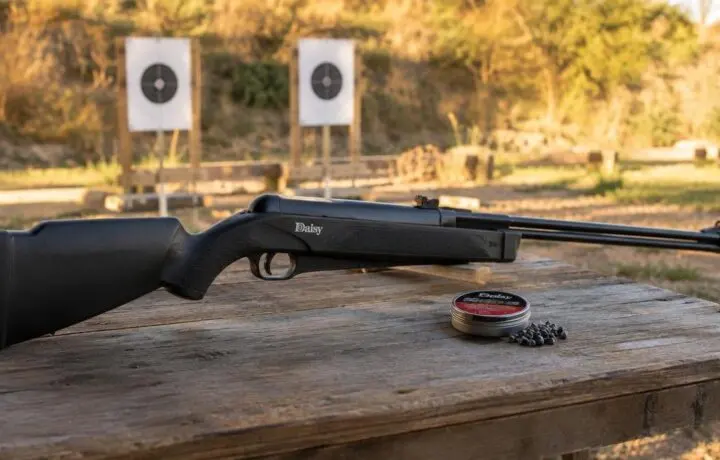
Spring-piston air rifles are appealing to buyers who want a self-contained platform without relying on cartridges or a separate air tank. Their operating system can work well for practice, especially if the owner values a straightforward routine. These rifles are often seen as budget-friendly because the initial setup can remain relatively simple.
The trade-off is technique. The firing cycle can create movement that rewards a hold rather than a tight grip. A new owner who holds the rifle tightly, changes shoulder pressure between shots or expects firearm-like behaviour may see poor groups and blame the gun too soon. Learning a position is part of owning this type of rifle.
Weight and cocking effort also matter. A rifle that feels fine for a few shots may become tiring over time. Check how the cocking lever works, whether the stock fits the intended shooter and whether the safety can be used without moving the hand. If possible, try handling the model through its cycle before making a decision.
CO2 and multi-pump options for casual target work
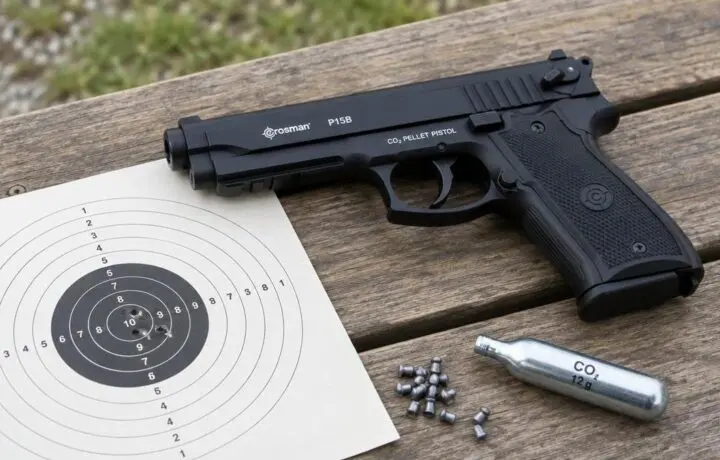
CO2-powered guns can offer a steady shooting rhythm and may suit beginners who want less mechanical movement than a spring-piston rifle. They can be convenient when the shooter values easy loading and a lighter-feeling operation. Performance may change with temperature and with how quickly shots are fired, so follow the manufacturer's guidance.
Running costs are easy to forget. A low purchase price might be offset by cartridge replacements, and storage instructions should be followed carefully rather than assumed. A CO2 air pistol can be fun for short-range paper targets. Its small size does not remove the need for a proper backstop, eye protection and careful handling.
Multi-pump pneumatic rifles give the shooter control over the pumping process. That can make them versatile for target work, though repeated pumping might become inconvenient or tiring. Consider whether the intended user can pump comfortably and consistently. The best budget choice is the one whose routine will actually be used, not the one with the most features.
When a low-cost PCP makes sense – and when it does not
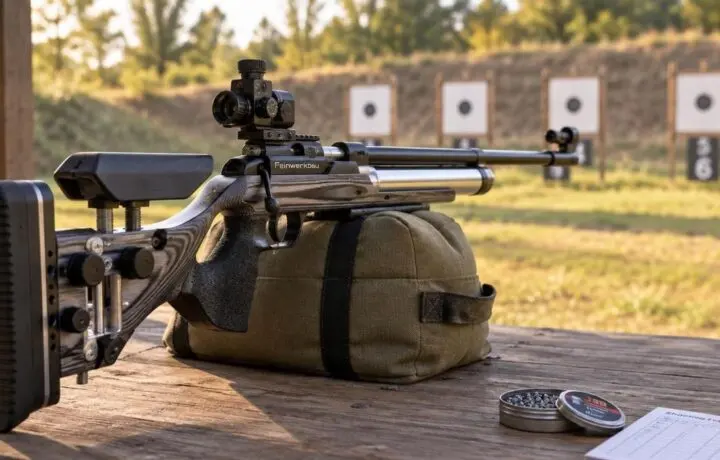
Pre-charged pneumatic, or PCP, airguns can provide an enjoyable shooting experience, but the gun is only part of the system. The owner may also need a filling solution, compatible equipment and clear knowledge about pressure handling. This added complexity can make a low-priced PCP less practical for someone who wants only occasional paper-target sessions.
A PCP may suit a target shooter who appreciates its operation and plans to practise. It is less attractive when the buyer has not decided where the gun will be used or how it will be filled. Do not choose one just because it offers performance. Confirm the manufacturer's filling, storage and inspection instructions. Make sure every accessory matches before use.
Different power systems are not interchangeable just because they launch the same kind of pellet. Noise, balance, charging needs, maintenance and the shooter's ability to control the gun can matter more than a top-line power number.
The checks that reveal value
A pellet-gun buying guide should look beyond advertised power. Examine the stock or grip for a shape that supports a hold, and check whether controls are reachable without shifting the shooting hand. Sights must be clear enough for the intended target and lighting conditions. If you are thinking about using an optic, verify that its mounting system and the manufacturer's guidance support that use. Do not assume every scope fits every airgun.
Read the owner's manual before buying, when available. It should explain loading, cocking, safety use, lubrication and storage. Vague maintenance advice is a flag, not a reason to improvise. Never drill, alter springs, bypass safeties or use parts to gain power. Such changes can cause failures, unsafe pressure levels or a gun that no longer behaves as designed.
Pellet choice adds another layer of confusion. One rifle may perform better with particular shapes or weights, and bad results with one type do not automatically mean the gun is inaccurate. Use pellets suited to the model, keep containers clean and compare groups after checking the basics: a rest, a consistent hold, clear sights and a safe, appropriate target.
Safety and ownership habits that protect the fun
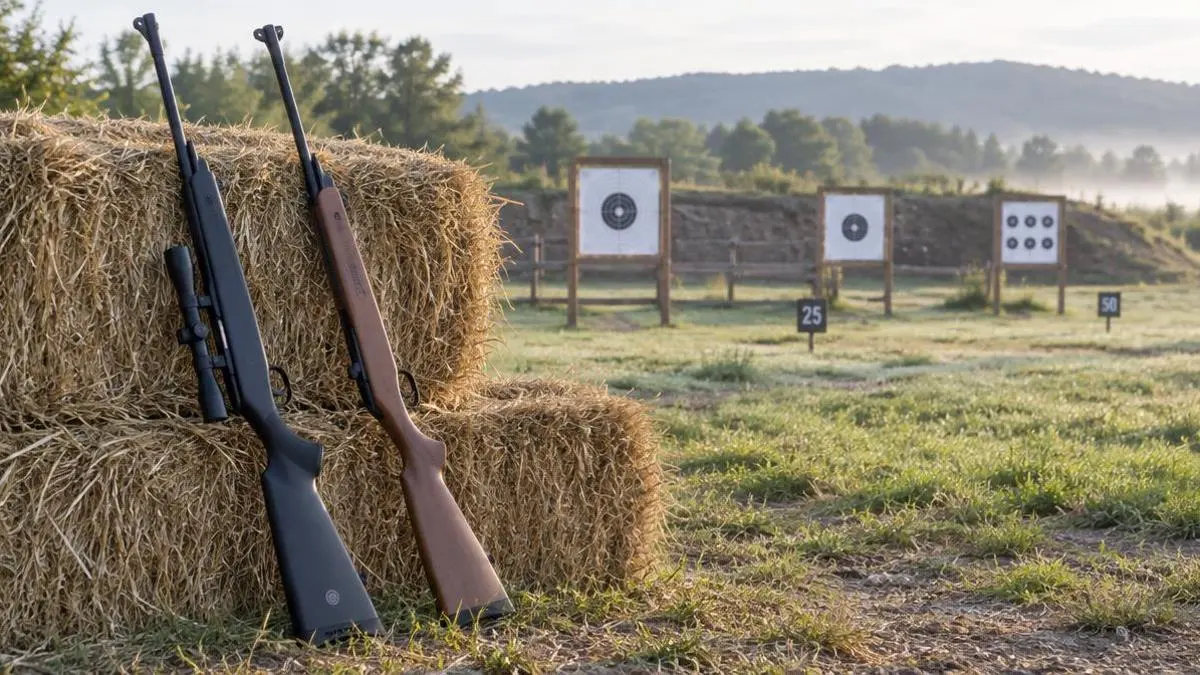
Every airgun should be treated as though it can cause injury. Always keep the muzzle pointed in a safe direction. Keep your finger outside the trigger guard until you are ready to fire. Wear eye protection, both for the shooter and for anyone nearby. Make sure you know what lies beyond the target, not just what is directly behind it. A soft paper target is not a backstop; use a setup made to contain the projectile and inspect it regularly for damage.
Store the gun securely and unloaded when required, following the manufacturer's instructions. Keep it separate from pellets if required by rules or your household safety plan. Do not carry a charged airgun casually. Never believe that a safety catch replaces good muzzle discipline.
Start every session with a clear range routine: inspect the equipment, confirm the backstop, set a firing direction and stop immediately if the gun sounds or feels wrong. If a pellet fails to fire or the mechanism acts strangely, keep the muzzle safe and follow the manual. Never look down the barrel or attempt repairs yourself.
Affordable airguns are most rewarding when their limitations are clearly understood. Choose the operating system that fits your routine. Set aside money for gear and maintenance. Judge value by ownership, not just by a low price.