
A new shooter can spend more time wondering why a first group is scattered than enjoying the target. The usual cause is not a lack of skill: the wrong power system, unsuitable pellets, poor shooting support or an unsafe setup can make simple practice frustrating. Choosing an airgun starts with matching its design to the way you will shoot, then building habits that keep every session predictable. The useful question is not which model looks most powerful, but which combination of control, consistency, upkeep and safe handling fits your space and experience.
Start with the job, not the advertising claim
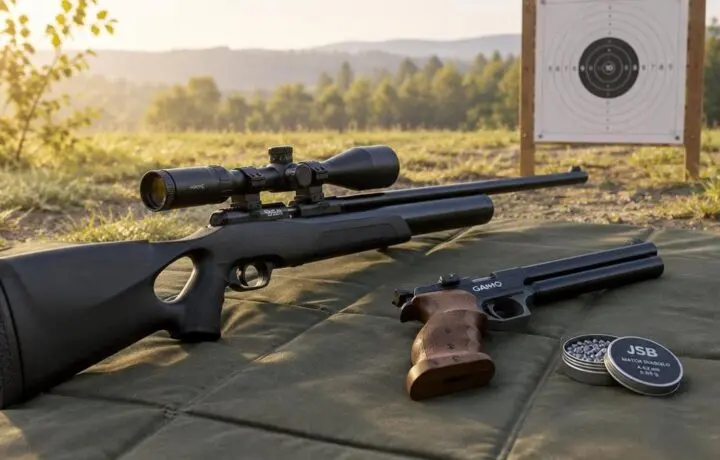
Decide where and how you expect to shoot before comparing features. Indoor paper targets call for a setup with a manageable report, reliable accuracy and a safe backstop. A garden range may allow a rifle and more room for a stable firing position, but the same basic requirements remain: a clearly defined target area, a backstop that can safely stop pellets, and no possibility of people, animals, roads or neighbouring property being behind the target.
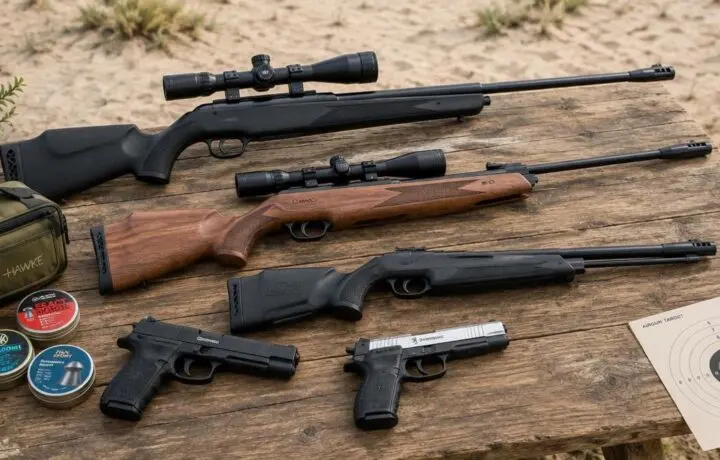
An air pistol can be convenient for short-range practice and basic handling skills. Its short sighting system and lighter support can also make accurate shooting harder for a beginner. An air rifle generally offers stability, although its length and weight may be less convenient. Neither format is automatically better. Think about storage, transport, shooting distance and whether you will practise from a bench, standing position or another lawful and controlled position.
Check local rules before buying or shooting. Requirements can differ by location. They may cover where you can discharge an airgun, how it must be stored, age restrictions and transport. Manufacturer instructions also take priority for loading, charging, lubrication and ammunition.
How the power systems change the experience
Spring-powered pellet guns use a spring and piston to propel the projectile. They do not need cartridges or a separate pump, which makes them self-contained and straightforward to operate. The trade-off is a firing cycle: the mechanism moves as it fires, so a relaxed, repeatable hold matters. A new shooter who grips the stock tightly or rests it inconsistently may see groups change from one session to the next.
CO2 pellet guns use a gas cartridge. They are often appealing for practice because the firing action can feel simple and, depending on the design, may support quick follow-up shots. Gas pressure can vary with temperature and use. The point of impact may not remain identical through a long session. Cartridges also add a consumable and storage consideration. Follow the maker's instructions for cartridge installation and removal rather than forcing a seal or leaving the system pressurised unnecessarily.
Pneumatic air rifles store compressed air either through a built-in pumping process or in a reservoir filled with equipment. They can offer a consistent shooting cycle, but the convenience depends on the exact system. A multi-pump design may require effort between shots; a reservoir system requires a filling method and careful attention to pressure guidance. Do not substitute fittings or alter pressure-related components.
For beginners, the best power source is the one you can operate consistently and maintain correctly. Extra power is not a substitute for a sight picture, a steady trigger press or a safe range.
Pellet gun calibres and ammunition choices
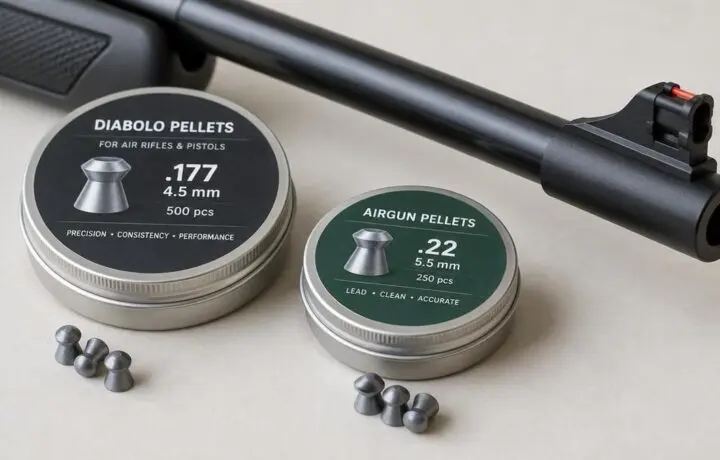
Pellet gun calibres describe the diameter of the pellet. Calibre alone does not tell you how well a particular combination will shoot. The barrel, power system, pellet shape and fit all affect results. A pellet that works well in one airgun may produce different groups in another, even when both are marked for the same calibre.
Begin with ammunition intended for your airgun. Follow its loading guidance. Diabolo-style pellets with a waisted shape are common for target work because the design is made to stabilise in a barrel. Headed target pellets can make holes easier to score on paper, while other shapes may be selected for different lawful recreational uses. Avoid mixing ammunition types during a comparison session; changing variables at once makes the result difficult to interpret.
A practical test is to use one pellet type, a rest and a clean target at a suitable distance. Fire enough shots to see a pattern rather than judging one stray hole. If pellets are difficult to seat, show damage or fit inconsistently, stop and check the manual and bore condition. Never force a pellet into the barrel. Do not use ammunition that is not specified for the gun.
Building a beginner shooting routine
Good technique begins before the trigger is touched. Confirm that the target and backstop are clear, keep the muzzle pointed in a safe direction, and load only when you are ready to shoot. Keep your finger outside the trigger guard until the sights are aligned with the target and you have made the decision to fire.
Use eye protection on a small indoor range. Pellets can fragment, and fragments can come back from hard surfaces, metal targets or unsuitable backstops. A purpose-built pellet trap or a properly arranged backstop is safer than improvised materials. Inspect it regularly for wear and place it so that a miss cannot travel towards an occupied area.
Start with a supported position and a modest target. Concentrate on a consistent cheek position, gentle breathing and a straight trigger press. With spring-powered designs, avoid squeezing the stock after a poor shot; reproduce the same hold first and then change one factor at a time. Keep a note of the pellet used, sight setting and conditions. That record can reveal whether a problem follows the ammunition, the equipment or the shooter.
Make the range a controlled space. Store the airgun securely and keep it away from unauthorised access. Keep pellets separate from casual handling, and stop immediately if someone enters the firing area. Treat every potentially loaded airgun as capable of causing injury.
Maintenance that prevents problems
Airgun maintenance is usually less about frequent disassembly than about avoiding neglect. Read the owner's manual before applying oil or removing parts. Some mechanisms require a lubricant, while petroleum-based products or excess oil can damage seals or create unsafe pressure effects in systems where they do not belong.
After a session, check that the airgun is unloaded and safe, then wipe metal surfaces with a suitable cloth to remove moisture and fingerprints. Store it in a location protected from impacts and unauthorised use. CO2 systems and pneumatic reservoirs have storage instructions, so follow the manufacturer's guidance rather than adopting a generic rule.
Watch for symptoms of guessing at repairs: a sudden loss of power, inconsistent velocity, damaged seals, unusual sounds, a pellet that will not seat or a trigger that feels different all deserve attention. Stop using the airgun if its function changes unexpectedly. Do not drill, file, increase pressure, bypass safety components or modify the power system. A qualified service professional or the manufacturer is the source for repairs.
A reliable beginner setup is modest by design: an airgun suited to the range, compatible pellets, eye protection, a sound backstop, secure storage and enough patience to learn its behaviour. That combination supports better shooting rather than chasing specifications you cannot use safely. As your needs change, reassess the range, ammunition and handling routine, rather than assuming more power will solve every problem.