A Responsible Buyer’s Checklist Before Choosing a Firearm: How to Set Priorities
Buying a firearm responsibly is less about finding the most powerful or feature-rich model than finding equipment that a particular person can control, store, maintain and use lawfully. The decision should begin with the circumstances surrounding its use, not with a specification sheet.
Start with the setting, not the shopping list
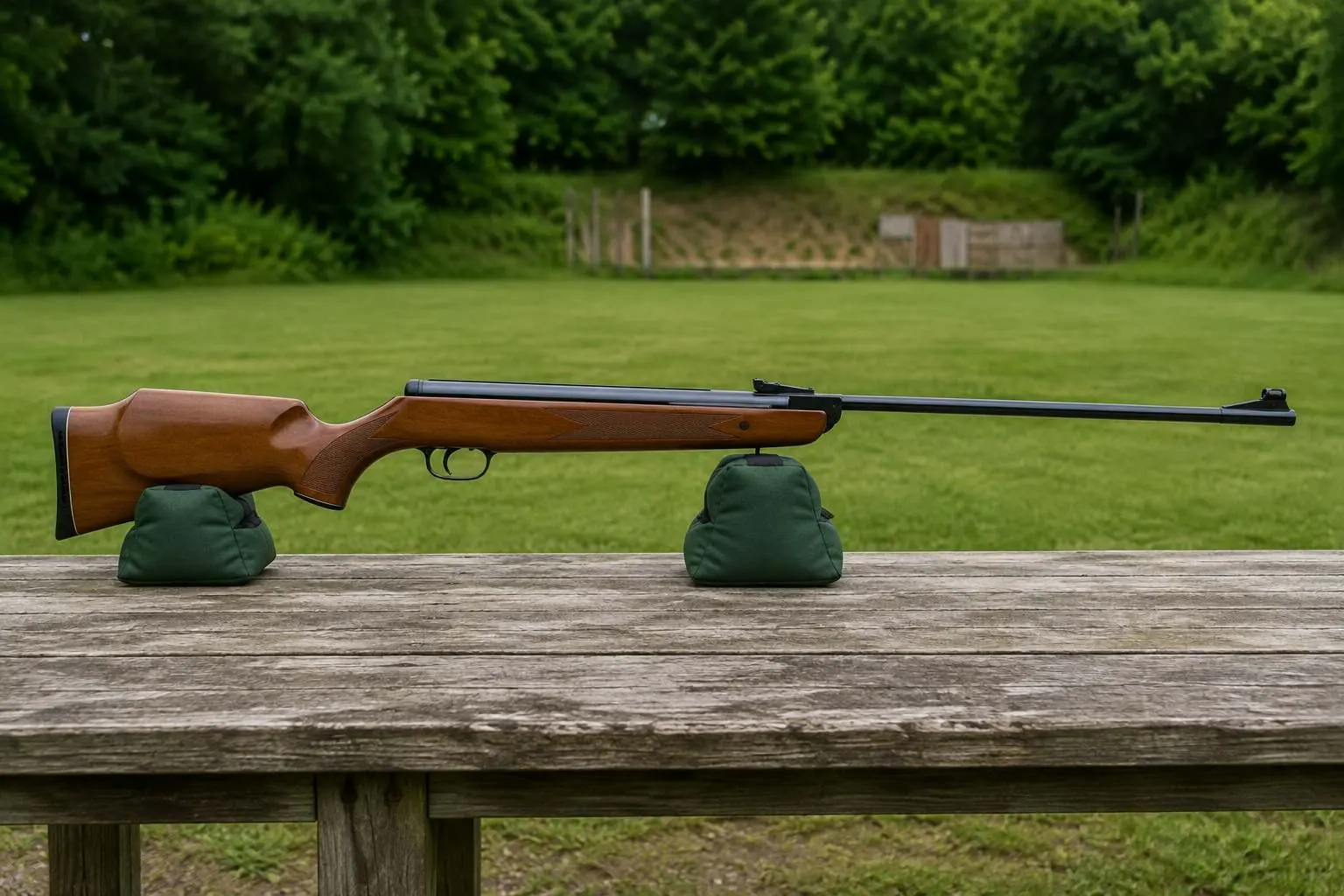
A supervised club range, private land and an informal backyard arrangement involve very different responsibilities. Before considering any model, identify where it will actually be used. Nearby houses, roads, public paths, animals, children, changing weather and the possibility of a projectile leaving the intended area all matter.
The backstop is central to that assessment. It must be suitable for the projectile and positioned so that a missed shot, ricochet or pass-through cannot endanger people, buildings or areas beyond the shooting site. A fence, thin timber panel or improvised household object is not a reliable substitute for a proper backstop. If the shooting direction or containment plan is uncertain, the location is not ready.
The length of a typical session also affects the choice. Equipment that feels manageable for a short demonstration may become tiring, awkward or difficult to hold safely after extended practice. Decide first how and where the firearm will be used; only then should size, weight and other specifications narrow the options.
Choose for the actual user
The person who will handle the firearm should drive the selection. Can that user hold it pointed in a safe direction while operating the controls? Is the length manageable without an unstable grip or awkward posture? Can the loading and safety procedures be understood and followed without guessing? These are essential handling questions, not secondary matters of comfort.
Weight involves a genuine tradeoff. A lighter firearm can be easier for a smaller or less experienced user to carry and position, but an extremely light platform may be harder to steady. A heavier one can feel more stable yet become tiring during a longer session. The sensible choice is the one the intended user can control consistently from beginning to end-not automatically the lightest, strongest or most compact option.
Controls should be identifiable by touch and sight and straightforward to operate. A manual safety helps only when the user understands its function and its limits. It does not replace keeping the muzzle pointed safely, keeping the trigger finger outside the trigger guard until ready to fire, or treating the firearm as loaded until its condition has been personally checked.
Accessories deserve the same scrutiny. Optical sights and adjustable stocks may improve fit and consistency, but they add setup, inspection and maintenance responsibilities. More power also brings costs beyond performance: potentially greater noise, tougher backstop requirements and more serious consequences if the equipment or surroundings are unsuitable.
Build the safety plan before the purchase
Eye protection belongs on the shopping list, not in the category of optional extras. The shooter and anyone close enough to face debris or a deflected projectile should use suitable protection. Depending on the firearm and venue, hearing protection may also be appropriate. Pets, children and bystanders should remain outside the shooting area.
Targets and traps must be appropriate for the projectile and checked throughout the session. Stop immediately if a target, trap or backstop shows damage. Materials that fragment or throw projectiles back toward the firing position can create a hazard rather than contain one.
Whenever more than one person is present, establish a clear cease-fire procedure in advance. Everyone should know how shooting stops, who is allowed to move downrange and what signal confirms that the area is safe to approach. Young or inexperienced users need instruction before handling the firearm, along with active supervision that reflects their age, judgment and the rules in force locally.
A brief check before every session is worthwhile. Confirm the direction of fire, target area, backstop and protective equipment. Keep the muzzle pointed safely, and keep the trigger finger clear until the intended target is in view and the shooter is ready. Reliable habits matter more than an additional accessory.
Account for storage, transport and maintenance
A purchase is incomplete until there is a secure storage plan. The firearm needs protection from unauthorized access, moisture and damage, while ammunition should be stored separately where appropriate. Exact obligations vary with jurisdiction and equipment type, so consult current official guidance before choosing a lock, container or transport method. Transport rules should be checked separately rather than assumed from storage rules.
Read the owner's manual before cleaning, lubricating or inspecting the firearm. Look for obvious damage, loose fittings, a blocked barrel and unexpected changes in operation. Never look down the barrel while investigating a problem. If the firearm behaves unusually, unload it safely, remove it from use and seek qualified assistance or manufacturer guidance. Continuing to shoot in the hope that the problem will resolve itself is not a sensible economy.
A simple routine can prevent avoidable mistakes. Before use, confirm that the ammunition is correct, inspect the action and sights, examine the target and backstop, and make sure protective equipment is available. Afterward, secure the firearm and supplies and note any fault or unusual behavior so it can be addressed before the next session.
Use a practical pre-purchase test
Before paying, answer these questions plainly:
– What is the lawful purpose: supervised target practice, club shooting or another defined activity?
– Where will the firearm be used, and does that location provide a safe direction and suitable backstop?
– Can every intended user manage its weight, length, controls and loading process safely?
– What ammunition, eye protection, targets, storage equipment and maintenance supplies will be needed?
– Who will provide instruction, and what will happen if the firearm develops a fault?
Uncertainty on several answers is a reason to wait. A purchase that appears inexpensive can become more costly once suitable targets, secure storage, protective equipment or replacement items are included. Choosing maximum power, copying another shooter's setup or overlooking transport shifts attention toward the object and away from the responsibility that comes with it.
Let current rules decide the boundary
Lawful ownership involves more than completing a sale. Requirements may differ by jurisdiction, change over time and depend on the equipment category. Before buying, transporting or using anything, verify current information through the relevant government or law-enforcement authority. A range operator may impose rules that are stricter than the legal minimum, and those rules need to be understood before arriving with equipment.
A responsible choice leaves enough room in the budget and routine for training, secure storage, protective equipment and regular care. It also leaves room to postpone the purchase when the location is inadequate or the user is not ready. The right firearm is not the one with the most impressive specification. It is the one that fits the person, the setting and the owner's ability to manage every stage safely-before, during and after each session.