
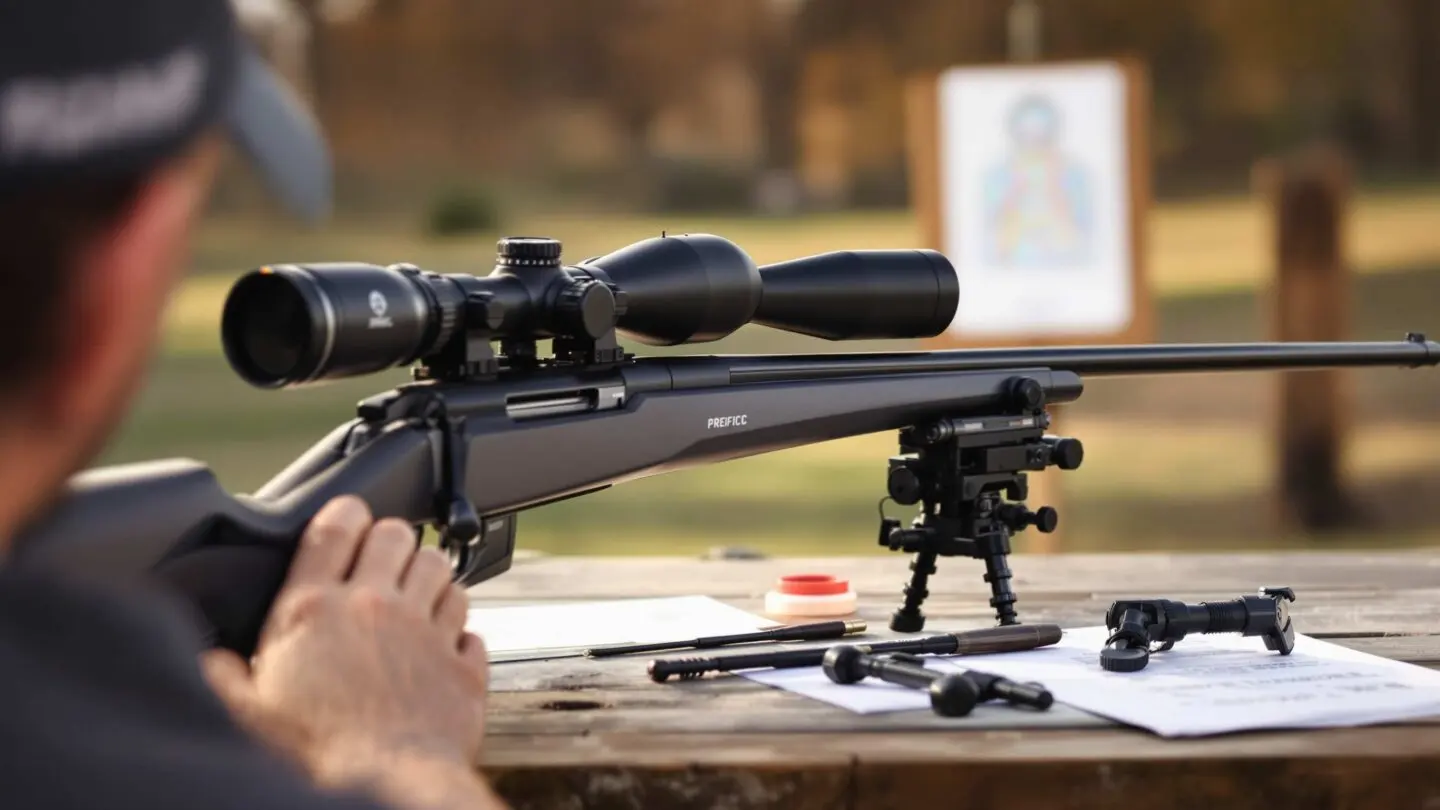
An optic can make target shooting easier to manage. The wrong one can create aiming points, shifting zeroes and needless frustration. New shooters often focus on magnification first while overlooking parallax, mounting security or whether the scope is designed for an air rifle's recoil pattern. The right choice depends on the rifle, the distances you shoot, the size of your targets and how much adjustment you genuinely need. A few simple checks before buying and during use can prevent faults from becoming accuracy problems.
Start with the rifle, not the magnification
A scope has to suit the way the rifle operates. Spring-piston and gas-ram rifles can produce a two-way recoil impulse, while PCP and many CO2 rifles generally place different demands on an optic. A scope intended for firearms or rimfire use is not automatically suitable for an airgun.
Look for clear manufacturer guidance describing the optic as airgun-rated, especially if it is going on a spring-powered rifle. Check the scope instructions and the rifle maker's recommendations before fitting it. The label is not a guarantee that the scope will suit every rifle. It is a useful compatibility check that beginners often skip.
Mounting matters just as much. Use rings that match the scope tube and the rifle's mounting rail, and follow the supplied tightening instructions rather than guessing. If the scope begins to move, the reticle shifts or the zero changes after a modest session, stop and inspect the mounts. Repeatedly correcting the turrets without finding the cause can hide a damaged base or ring.
What scope magnification really changes
Scope magnification determines how large the target appears through the optic. Lower magnification gives a wider field of view and makes it easier to find a target quickly. Higher magnification can help with longer-distance target work. It narrows the view, makes movement more noticeable and may reveal image blur.
A variable-power scope offers flexibility, although the extra mechanism adds another adjustment to learn and maintain. A fixed-power model can be simpler when you shoot at a consistent distance. Neither approach is automatically better. For paper targets, a modest range may be easier to use than an optic that is rarely turned down.
The usable image matters more than the number printed on the specification sheet. If the reticle becomes difficult to keep steady or the image blurs at higher magnification, the eye must sit in an exact position and the magnification may be working against you. Set the power low while locating the target, then increase it as far as conditions and target size justify.
Objective lens size and the light trade-off
The objective lens is the front lens of the scope, and its diameter affects how much light the optic can gather. A larger objective can help produce an image in favourable light, but it can also make the scope heavier and higher above the rifle. That increased height may require a different cheek position and complicate a comfortable, repeatable hold.
A large front lens is not a substitute for good glass, clean lenses or sensible shooting conditions. For target shooting, a moderate objective may provide a balance between image quality, weight and mounting height. Consider the rifle's stock, the ring height and whether you can use a cheek weld before choosing a particularly large optic.
Keep lens covers on when the scope is stored and use the cleaning method recommended by the manufacturer. Dust can usually be removed with a blower or suitable lens brush before wiping. Rubbing grit across the glass, using household cleaners or touching the lenses repeatedly can create marks that look like optical damage.
Parallax is an accuracy issue, not just a focusing feature
Parallax occurs when the reticle appears to shift against the target as your eye moves behind the scope. At airgun distances, where targets may be small, that apparent movement can create an aiming error. A scope with parallax adjustment allows you to set the optic for a distance, helping the reticle and target appear on the same focal plane.
Some scopes use a ring, while others use a side-focus control. The markings are a starting point, not a promise of an exact distance. To check the setting, rest the rifle safely, look through the scope and move your head gently from side to side without moving the rifle. If the reticle seems to slide across the target, adjust the control until that movement is reduced.
Do not use parallax adjustment to compensate for a mount, an unstable rest or poor eye position. If the point of aim changes each time you settle behind the rifle, check your hold and equipment before changing settings. Persistent blur, a reticle that will not focus or controls that feel rough or loose should not be ignored; consult the manufacturer rather than forcing the mechanism.
Small checks that prevent scope problems
Check an optic methodically before a longer shooting session. Confirm that the rings are seated correctly, the reticle is level enough for your use and the turrets move in the direction shown by the instructions. Fire in a safe, lawful setting with a suitable backstop, and verify local rules before using an airgun on private or shared property.
After a group, inspect whether the scope remains secure and whether the zero is changing for a reason you cannot explain. A consistent shift may result from mounting movement, damaged pellets, changing conditions or an issue with the rifle rather than the optic itself. Record what was adjusted instead of turning several controls at once; otherwise, it becomes difficult to identify the original problem.
Watch for these warning signs:
– The reticle rotates, the image stays blurred after focusing or the turrets stop responding.
– The zero drifts after the rifle is handled, transported or fired, even though the mounts appear tight.
– The scope shows fogging inside the tube, cracked glass or a loose lens.
Stop using a scope with fogging, structural damage or unexplained movement until the manufacturer or a qualified service provider gives advice. Do not dismantle the optic or modify the rifle to solve a compatibility problem. Follow the scope and airgun manuals, use eye protection and keep the rifle pointed in a safe direction when checking or adjusting the equipment.
Match the scope to the way you shoot
Choosing an airgun scope is mainly a matter of matching features to your use. Select an airgun-rated design when the rifle requires it, choose as much magnification as you can use steadily and treat objective size and parallax as practical trade-offs rather than headline specifications. Careful mounting, clean lenses and attention to a changing zero will do more for target shooting than adding adjustment you do not need.